
Why Most Public Speaking Courses Don’t Work and What Actually Builds Confidence
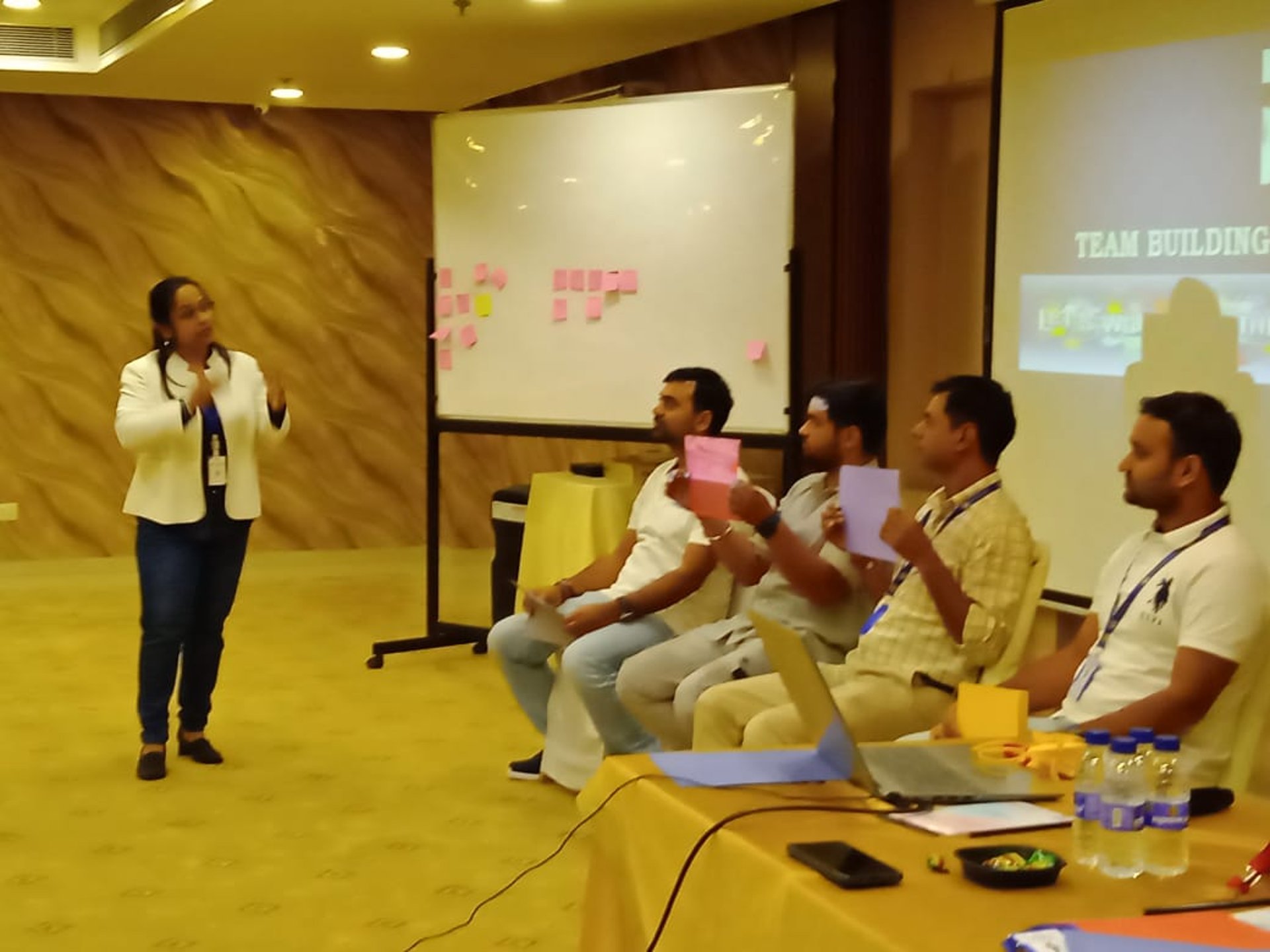
Have you ever completed a public speaking course feeling motivated, only to realise a few weeks later that the nervousness and hesitation had quietly returned? This experience is far more common than most professionals admit. It does not mean you are bad at public speaking. It means the approach you were exposed to did not address what truly builds confidence. At 10,000 Speakers, many working professionals share this exact journey. They attend courses, learn techniques, understand frameworks and even feel confident temporarily. But when real workplace moments arrive like meetings, presentations and client conversations the fear resurfaces. This happens because confidence is not created through information alone. Most public speaking courses rely heavily on theory. They explain what good speaking looks like but provide limited opportunities to actually speak. Confidence, however, is not intellectual. It is behavioural. It grows when your mind and body learn through experience that speaking is safe. Another reason these courses fall short is their focus on performance. Participants are often trained to deliver polished speeches rather than develop comfort while speaking. This creates pressure. When speaking feels like a performance anxiety increases and stage fear becomes stronger instead of weaker. Confidence develops when speaking feels normal rather than exceptional. One time workshops rarely create lasting change because confidence needs repetition, consistency and reinforcement. Without continued practice the fear naturally returns. Many courses also treat nervousness as something to eliminate. In reality, nervousness is natural even for experienced speakers. Effective confidence building does not remove fear overnight. It teaches professionals how to manage it through mindset breathing and gradual exposure. Relevance is another missing element. Generic training often focuses on stage speaking while most professionals struggle in everyday workplace situations. Meetings, discussions, presentations and leadership conversations are where confidence truly matters. When training does not mirror these situations learning fails to transfer. What actually builds confidence is structured practice with guidance and feedback. Speaking regularly in realistic environments helps reduce hesitation and increases comfort. Over time your mind stops treating speaking as a threat. This is where impactful public speaking training stands apart. It focuses on developing strong communication skills rather than memorised speeches. Professionals learn to articulate thoughts clearly respond naturally and speak without overthinking delivery or language. At 10,000 Speakers, programs are designed around this principle. The environment is supportive structured and practical. Professionals are encouraged to speak consistently receive feedback and grow at their own pace. The goal is not perfection but progress. Confidence built this way lasts. It shows up in meetings presentations and everyday conversations. Communication becomes easier visibility improves and professional presence strengthens. Public speaking confidence is not a quick fix. It is a skill built through the right method. When training focuses on practice comfort and clarity rather than performance and theory real transformation happens. The right course does not teach you how to sound confident. It helps you feel confident. And when confidence feels natural it stays with you long after the course ends.